
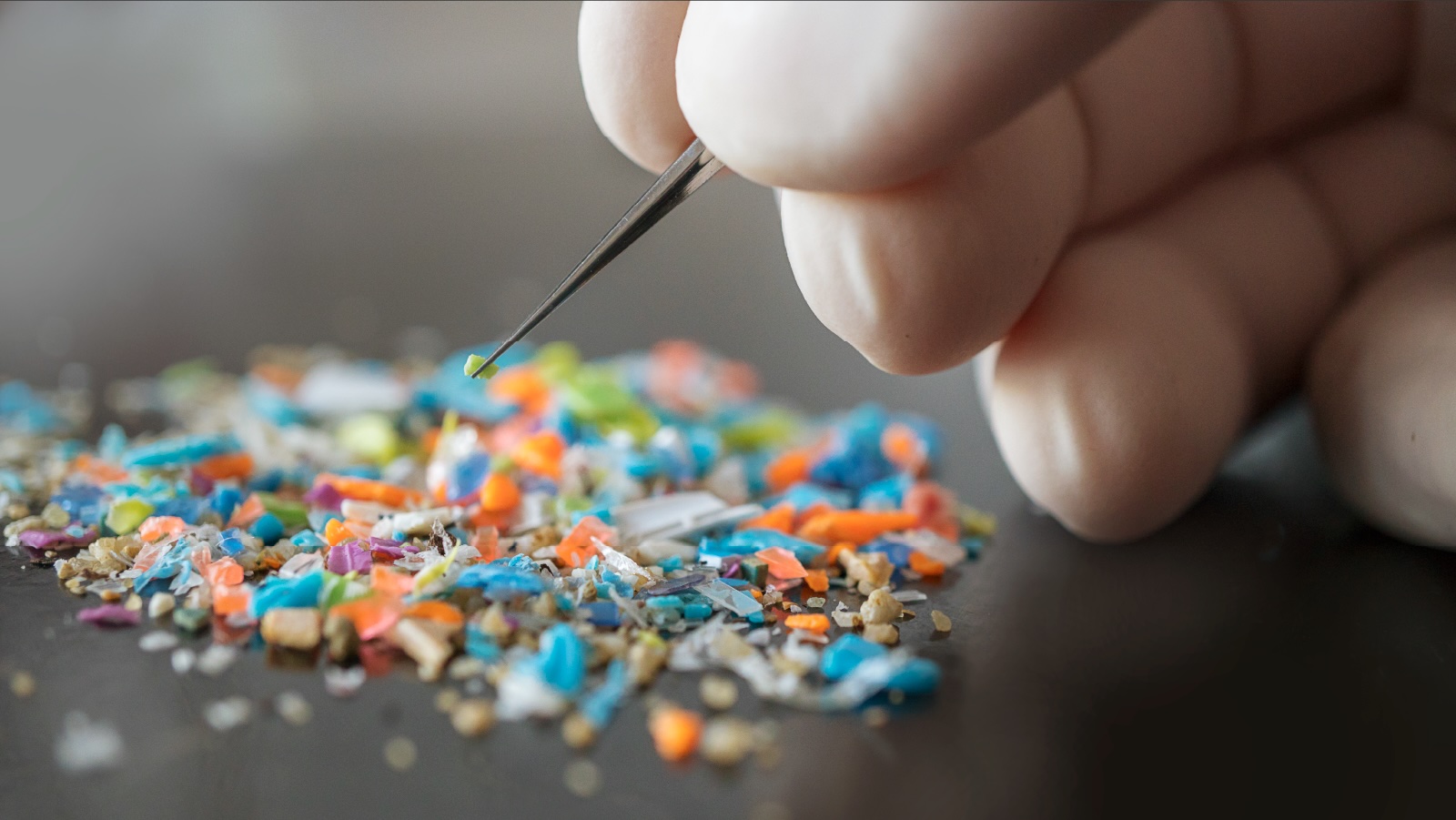
Microplastics
WHAT ARE MICROPLASTICS?
Larger plastic items, such as bottles, bags, and packaging, are broken down into smaller fragments called microplastics.
HOW DO LARGE ITEMS BECOME MICROPLASTICS?
Heat and other environmental conditions, such as churning water in a river, can cause plastic food and drink packaging to break down, leach microplastic particles, and then enter our water systems.
WHY IS THIS A PROBLEM?
If not recycled properly, these microplastics can contaminate lakes, rivers, streams, and eventually–our drinking water. When ingesting microplastics, which all of us do daily due to plastics’ widespread use, it is a concern for human health. Microplastics and nanoplastics, which are even smaller, can enter our cells and tissues. This causes potential cardiovascular disease, inflammation, cancer, endocrine disruption, and gut health issues. And it is not just humans. Microplastics are harmful to both animals and the environment.
WHAT CAN YOU DO?
Even though we will never be rid of microplastics, you can do your part by drinking out of reusable water bottles and reducing your use of plastic bottles, plastic bags, and any other single-use plastic items that could potentially end up in our environment and work their way back into our homes.